Red Light Therapy, Explained
Red light therapy gets talked about like either a miracle cure or a very expensive nightlight. The truth, unsurprisingly, is somewhere in between. What I’ve learned is that red light works best when you understand what it’s actually doing and use it accordingly.
This post breaks down the two main types of red light (RED vs NIR), what each is commonly used for, and how to think about intensity and timing — without turning it into a science project. I’ll also share the two devices I’ve used and trust for quality and practicality: LumeBox and the Hooga Ultra360.
use code: dearcharlie
〰️
use code: dearcharlie 〰️
RED vs. NIR — The Difference
At its simplest:
RED light supports surface-level tissue
NIR (near-infrared) light penetrates deeper into the body
That difference determines what you use each for.
When RED Light Makes Sense
Red light is most often used for skin and surface concerns, including:
fine lines and wrinkles
acne and texture
collagen support
wound or scar healing
eczema and surface inflammation
scalp and hair support
In practice, RED light is typically used closer to the skin, for shorter sessions, and more frequently. Consistency matters more than intensity here.
When NIR Is More Appropriate
NIR light reaches deeper tissues, which is why people often use it for:
muscle soreness and recovery
joint pain and inflammation
headaches
menstrual cramps
thyroid and immune support
illness recovery
ear infections
clogged ducts or mastitis
dental pain
mitochondrial and cellular energy support
circadian rhythm and sleep support
NIR tends to work best with slightly longer sessions and moderate intensity — not force, just regular exposure.
General Guidance
This doesn’t need to be complicated.
5–10 minutes for face or sensitive areas
10–20 minutes for muscles, joints, or deeper tissues
Once daily or every other day is usually plenty
The Two Devices I’ve Used
There’s a lot on the market, and not all red light therapy devices are created equal. I’ll share the two I’ve personally used and trust for quality and reputation.
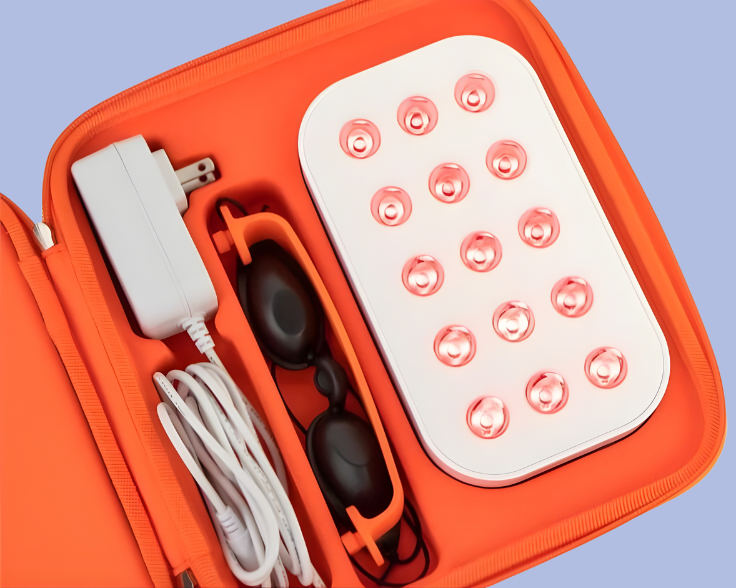
A portable device that combines both RED (660 nm) and NIR (850 nm) wavelengths in one tool. It’s powerful, versatile, and easy to use on different parts of the body.
Best for:
Those who value portability
Safe, third-party tested intensity standards
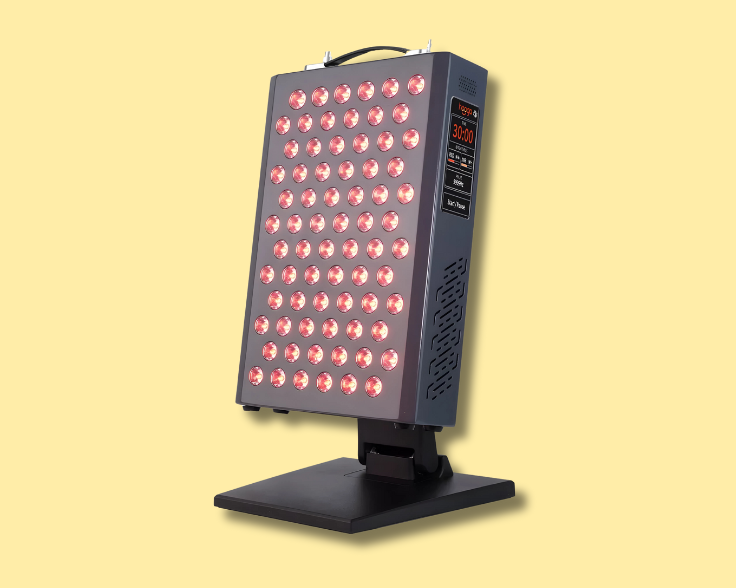
A tabletop panel that delivers both RED and NIR light over a broader area. It’s a set-it-and-use-it option that works well for larger muscle groups and more hands-off sessions.
Best for:
People who prefer a panel format
Covers a larger area than handhelds
Adjustable brightness and timer controls
A Gentle Reminder
This isn’t medical advice — just shared experience and general information. Start conservatively, pay attention to how your body responds, and adjust as needed.
Happy red-lighting.
